 Find my local Bruce's

 My Pawtal




Bark to School · Advice for parents
New term, new adventures: helping your dog settle into doggy day care
A new routine can take time. Here’s how patient introductions, familiar faces and positive experiences help dogs find their feet.
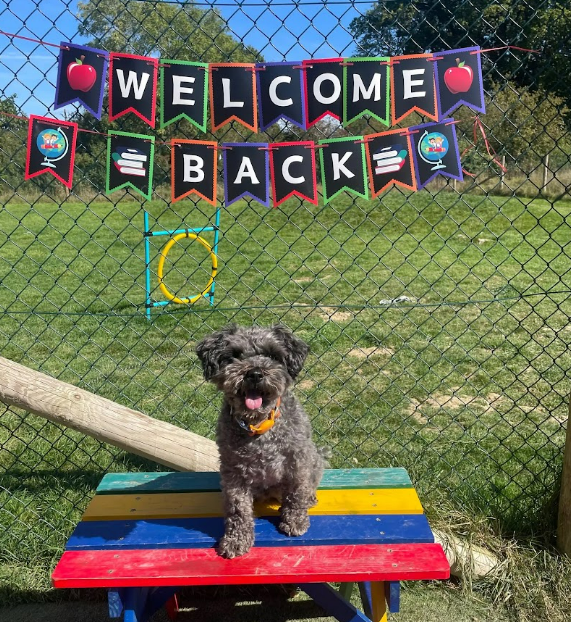
A few weeks into the new term, school runs are back, work routines have returned and households are settling into their familiar pace again. For many dogs, it can mean adjusting to a new routine too.
For some, that means starting doggy day care for the first time, meeting new people, making new friends and getting used to a different environment. Settling in can take time, and every dog does it differently. With the right support and positive experiences, those unfamiliar surroundings can soon become a place they know, trust and look forward to.
The nervous ones
Some dogs are naturally confident and sociable. Others need a little more time to decide that a new person, dog or environment is safe.
That’s why new dogs at Bruce’s aren’t expected to simply fit into an established group from the moment they arrive. Their personality, confidence, energy and play style all matter, and introductions are managed carefully so they can settle at a pace that works for them.
For parents, those first few days can bring nerves too. Will they make friends? Will they enjoy themselves? What if they’re shy? What if they don’t settle straight away?
Sometimes the answer comes a few weeks later, when the dog who once hesitated recognises the Doggy Bus and races towards the door.


Meet the people who get the cuddles
If there’s one theme that appears again and again in Bruce’s customer stories, it’s the relationships dogs build with the people caring for them.
Frankie’s story
Frankie is a particularly lovely example. A Chihuahua Bichon Frise, Frankie has been attending Bruce’s for more than six years. His family describes him as extremely selective about the adults he trusts. Being picked up, cuddled or handled by people outside his family wasn’t something Frankie normally welcomed.
Then he met Chris and Rachel in Tiny Town.
Over time, they became two of the very few adults Frankie would happily allow to pick him up, cuddle him, play with him and comfort him.
His family describes him wagging his tail at the mention of “Bruce’s school”. At an event, they watched him spot his carers and immediately begin wriggling towards them with excitement, happily allowing them to scoop him up and make a fuss of him.
For a dog who had spent years keeping most adults at a distance, it was a side of Frankie they hadn’t expected to see. And those relationships matter beyond playtime.
Confidence doesn’t look the same for every dog
For some dogs, growing in confidence might mean joining a game for the first time. For another, it’s becoming comfortable around a new person, learning how to interact with other dogs or simply relaxing enough to have a nap.
The aim isn’t to turn every dog into the most outgoing member of the group.
Regular positive experiences can help unfamiliar places become familiar ones. Carers become people they recognise. Other dogs become friends. The Doggy Bus becomes something associated with a day they enjoy and friends they love.
Eventually, parents often notice the signs before they’ve even picked up the lead: the wagging tail, the excited pacing, the dog waiting expectantly for the bus to arrive.
The standards behind the tail wags
Parents should feel comfortable asking how a day care operates: how dogs are introduced and grouped, how they’re supervised, what training their carers receive, how they travel to and from day care, and what happens when a dog needs rest, reassurance or space.
More than a day of play
Socialisation and play are part of the experience, but so are enrichment, exploration, appropriate rest and having carers who recognise when an individual dog needs something different.
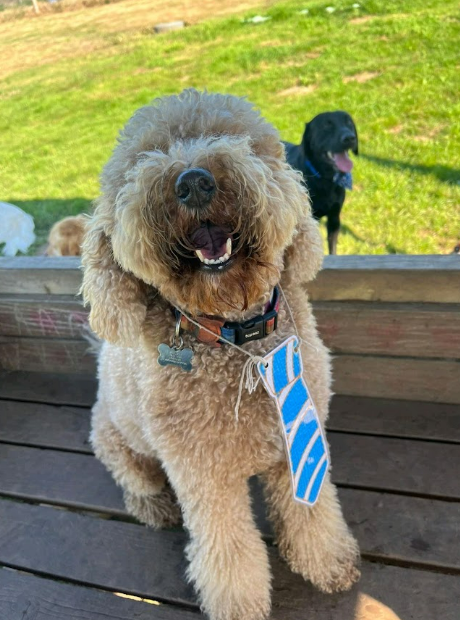
For dogs like Frankie, that has included everything from activities and paintings to the hats his family laughs about seeing him wear.
For another dog, enrichment might be using their nose, exploring the outdoors or spending time with a favourite friend. The important part is that they’re engaged, stimulated and able to enjoy the day in a way that suits them.

What the dogs can’t tell us, their behaviour often does
And during Bark to School, there’s another way for parents to see how their dogs are getting on.
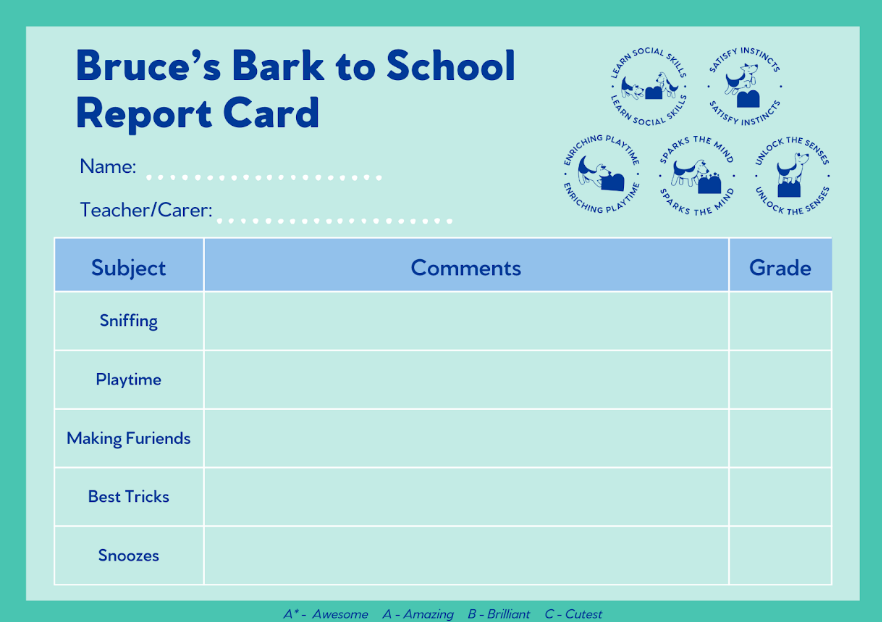
A little window into their day
Our Bark to School report cards share what dogs have been doing, how they’re settling in and the moments their carers have noticed along the way.
Choosing the right day care for your dog
If you’re considering doggy day care for the first time, read more about our Trust and Standards and see what other families have experienced in their reviews.
The right day care experience shouldn’t simply keep them occupied while you’re at work. It’s about helping them thrive in an environment they feel comfortable in, with people they trust, experiences they enjoy and friendships of their own.
You must be logged in to post a comment.