Try us with confidence - Free taster days available at your local Bruce's centre Find out more
blue pool Kennels
Green field Kennels Bouncer Bouncer sniffing

How to keep your dog safe and cool in warm weather

During the summer months, temperatures can rise considerably, and it is important to know how to keep your dog cool and safe while having fun in the sun. 

Kennels
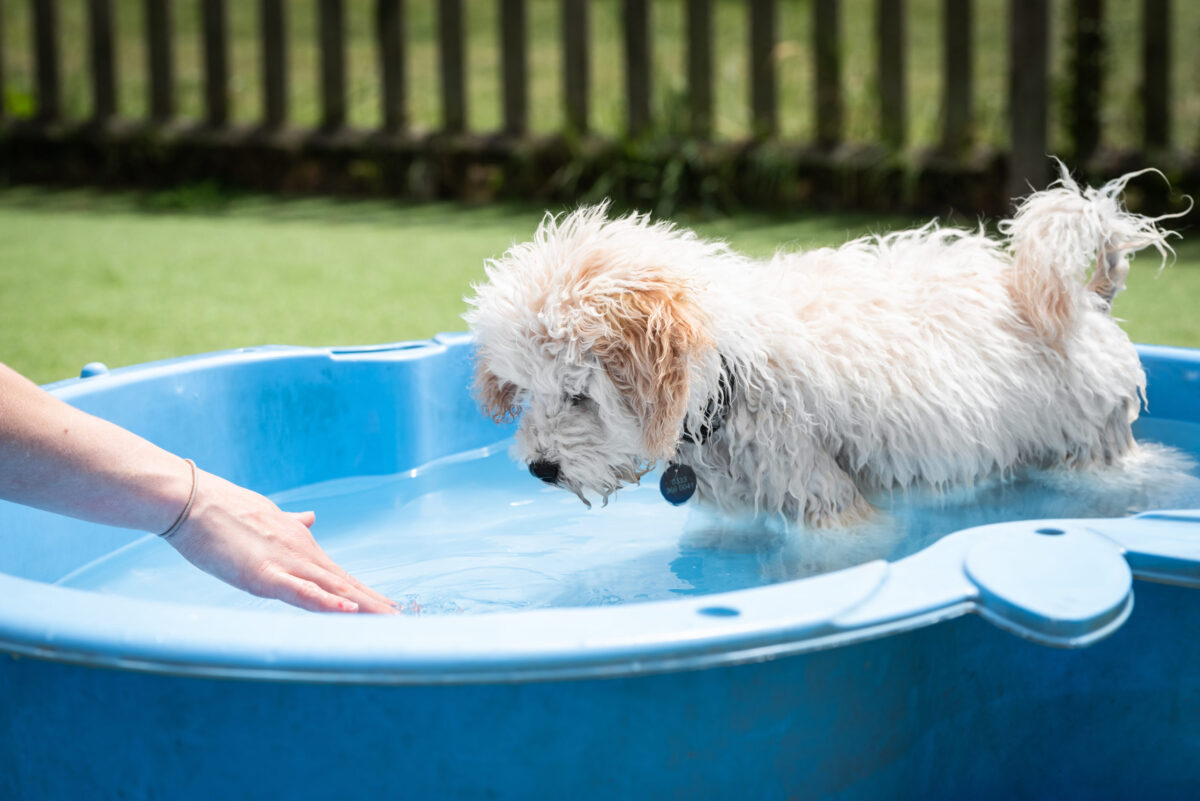
Cockapoo puppy playing in the doggy day care splash pool

Keeping dogs safe at day care

At Bruce’s, dog welfare always comes first. During warmer weather we adapt our operations to help keep dogs safe, comfortable and happy throughout the day.

Our measures include:

  • Extensive shaded areas and natural grass fields
  • Additional air-conditioned spaces (where possible) and designated cool zones
  • Pre-cooled doggy buses with fresh water onboard
  • Adapted enrichment programmes, frozen treats, lower-intensity activities, and extra rest
  • Additional CPD training for our teams on warm weather welfare and heat-related risks
  • Enhanced monitoring of dogs who may be more susceptible to heat, including older dogs, flat-faced breeds, and those with underlying health conditions

Every Bruce’s centre operates a warm weather plan and follows strict welfare protocols. Our teams continuously monitor conditions throughout the day and adapt activities, rest periods, travel arrangements, and enrichment to ensure dog welfare remains our top priority. During periods of extreme heat, we may also adjust operational hours to the cooler parts of the day and reduce capacity in line with available cool zones, ensuring every dog remains safe, comfortable, and well cared for.
Top Tips for Keeping Your Dog Cool This Summer

Kennels
Puppy in the swimming pool playing with their dog carer

Give your dog plenty of water

Water plays an important part in keeping your dog cool.

  • Make sure your dog has constant access to fresh drinking water. Add ice cubes throughout the day to top it up and keep it cold.
  • Provide paddling pools which your dog can use at liberty to cool down.
  • Lay out wet towels or dog cooling mats, which will help your dog regulate their temperature, as will hosing their legs and belly down with cold water.
  • Treat your dog to a cool coat or bandana.
    Kennels
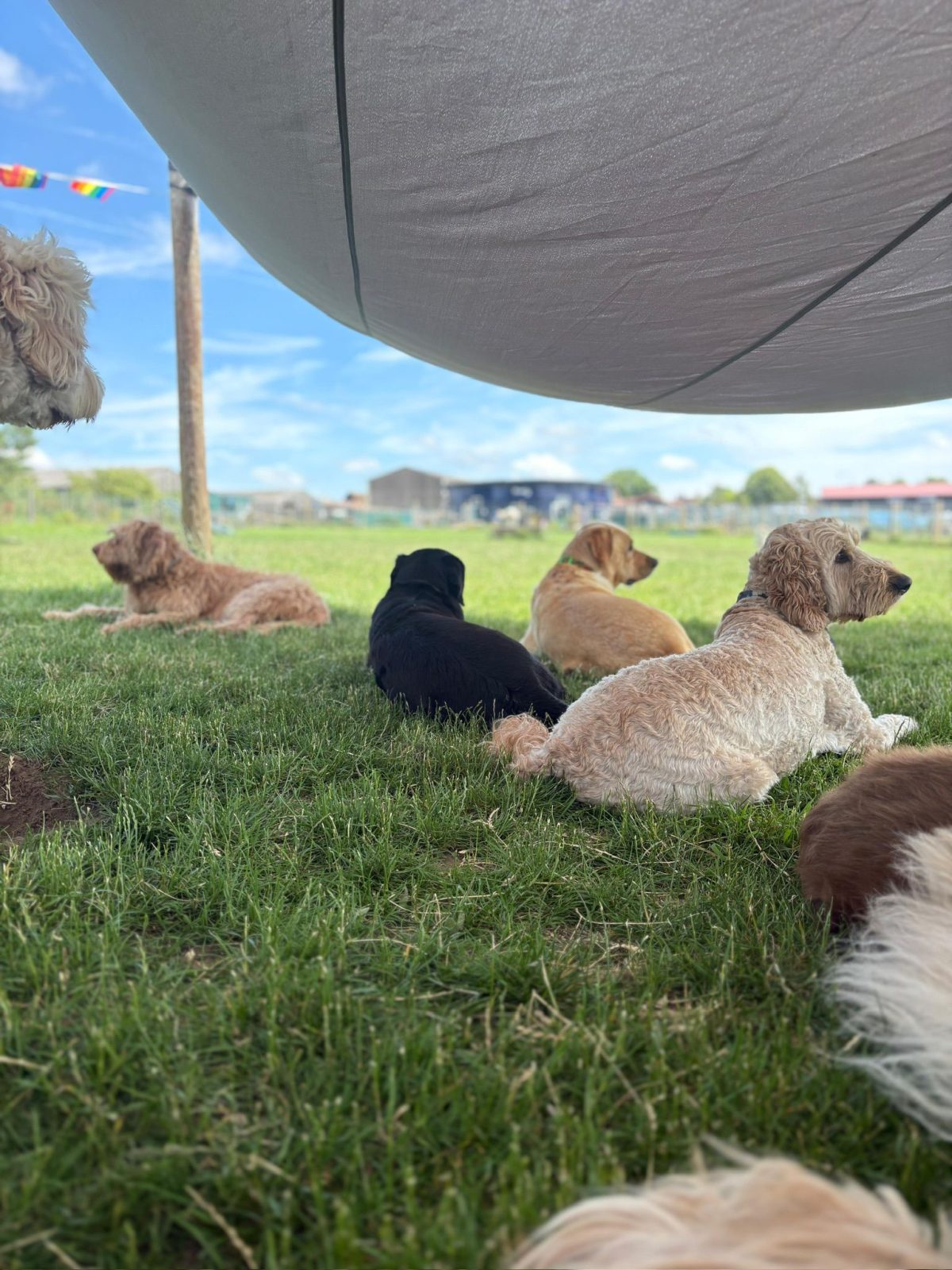
    dogs in shade

    Provide your dog shade

    • Provide plenty of shady spaces where your dog can rest either indoors or under trees and gazebos.
    • Natural grass stays cooler than many artificial hard surfaces.
    • Good ventilation helps keep the shading areas cool.
    Kennels
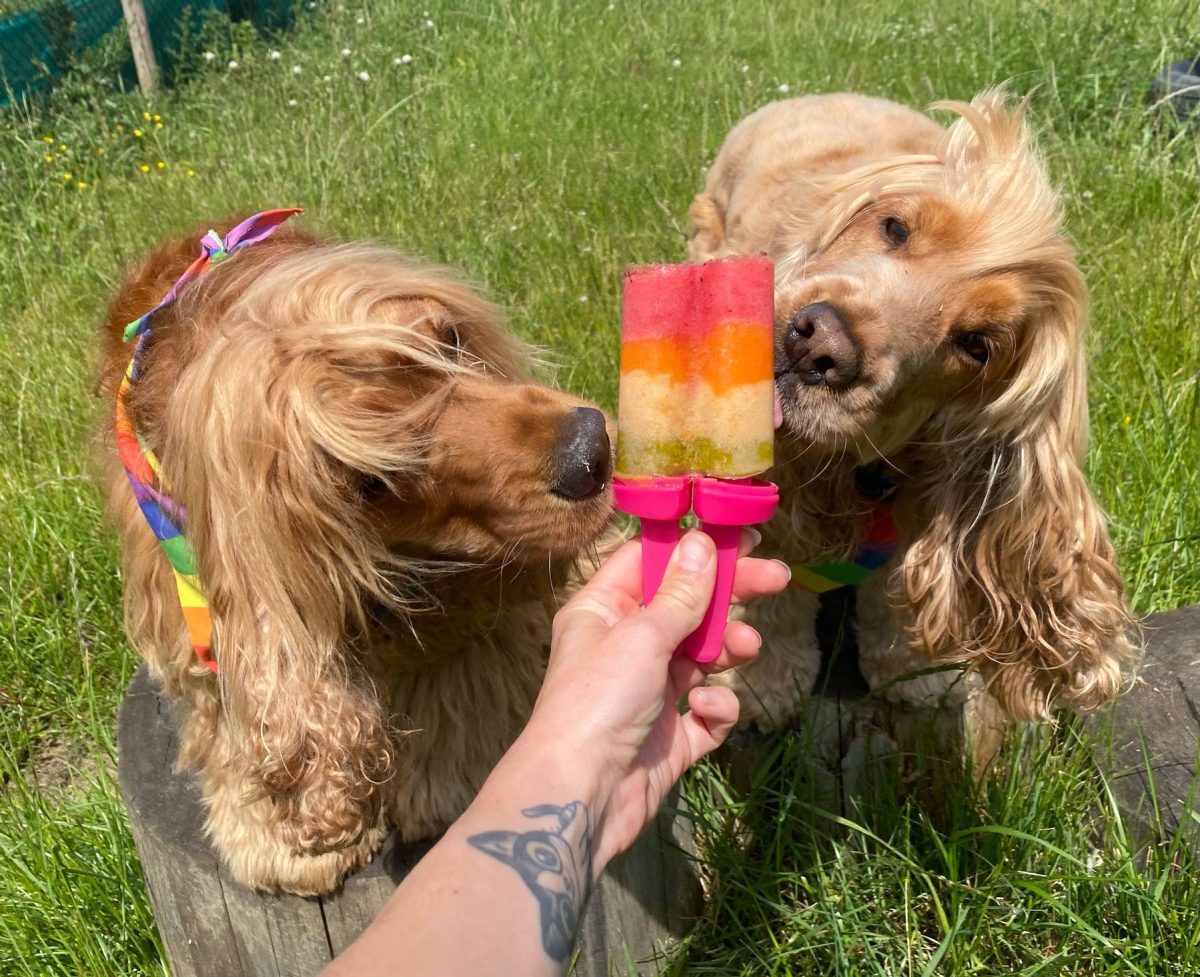
    Spaniels with Rainbow lolly

    Prepare frozen treats

    Frozen treats are a great way to help your dog stay cool and entertained during warmer weather.

    • Spoil them with some homemade refreshing frozen dog treats.
    • Freeze dog-safe fruits such as strawberries, blueberries or banana slices.
    • Fill a Kong or enrichment toy and freeze for a longer-lasting treat.
    • Freeze low-salt dog-safe broth into ice cubes.
    • Always supervise your dog and introduce new foods gradually.

    💡 Tip: Frozen enrichment encourages calm, rewarding licking behaviour while helping dogs cool down. 🐾

    Kennels
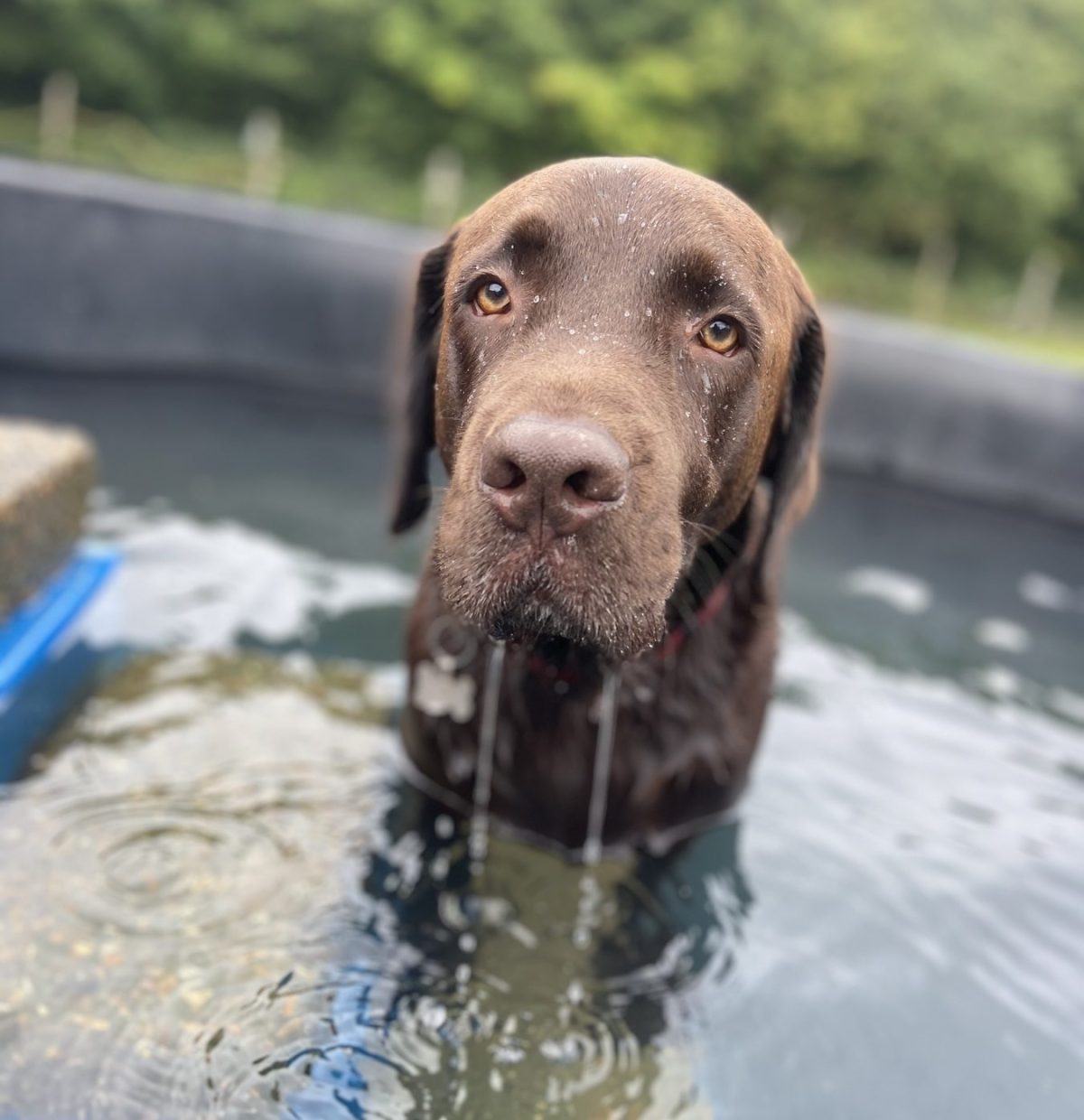
    Chocolate Labrador playing in the doggy day care swimming pool

    Plan your dog walks

    • Don’t over-exercise your dog. Plan your dog walk for the early morning or late evening when temperatures are cooler.
    • Be wary of walking on hard surfaces. Tarmac can get very hot and could burn your dogs paws. Check with your hand first and if it’s too hot for you, then it’s too hot for your dog!
    • Take extra caution if your dog is older, overweight or suffers from breathing difficulties.
    • Choose walks near to water, where possible, so your dog can take a dip to cool down.
    • Take water and bowl out with you.
    • If your dog shows any sign of heatstroke contact your vet immediately.
      Kennels
      Cockapoo puppy playing in the doggy day care splash pool

      Signs of heatstroke in dogs

      Heatstroke can affect any dog so it is important you take quick action when you notice them not acting right in hot weather.

      Heatstroke symptoms include:

      • Heavy panting
      • Excessive drooling
      • Bright red or pale gums
      • Vomiting or diarrhoea
      • Lethargic
      • Increased heart rate
      • Confusion or staggering

      If you think your dog might have heat stoke follow these steps:

      1. Move your dog to a shaded or cool area immediately.
      2. Offer small amounts of cool water, make sure it is not iced cold as it could shock their system.
      3. Wet their body with cool water. Give special attention to their paws, belly and armpits.
      4. Use a fan if you have one to help lower temperature.
      5. Contact your vet immediately! Heatstroke can be fatal if it is not treated urgently.


      Kennels

      Extra Care for Vulnerable Dogs

      Certain breeds and age groups of dogs are more vulnerable to heat and require extra attention during a heatwave.

      • Brachycephalic Breeds (Flat-Faced Dogs)

      Breeds with shortened snouts and narrow airways, such as French Bulldogs, Pugs and Cavalier King Charles Spaniels are particularly susceptible to overheating. In hot weather, they can struggle to regulate their body temperature even during mild activity. So make sure you keep walks very short, avoid any vigorous play and monitor their breathing closely.

      • Double-Coated and Thick-Coated Breeds

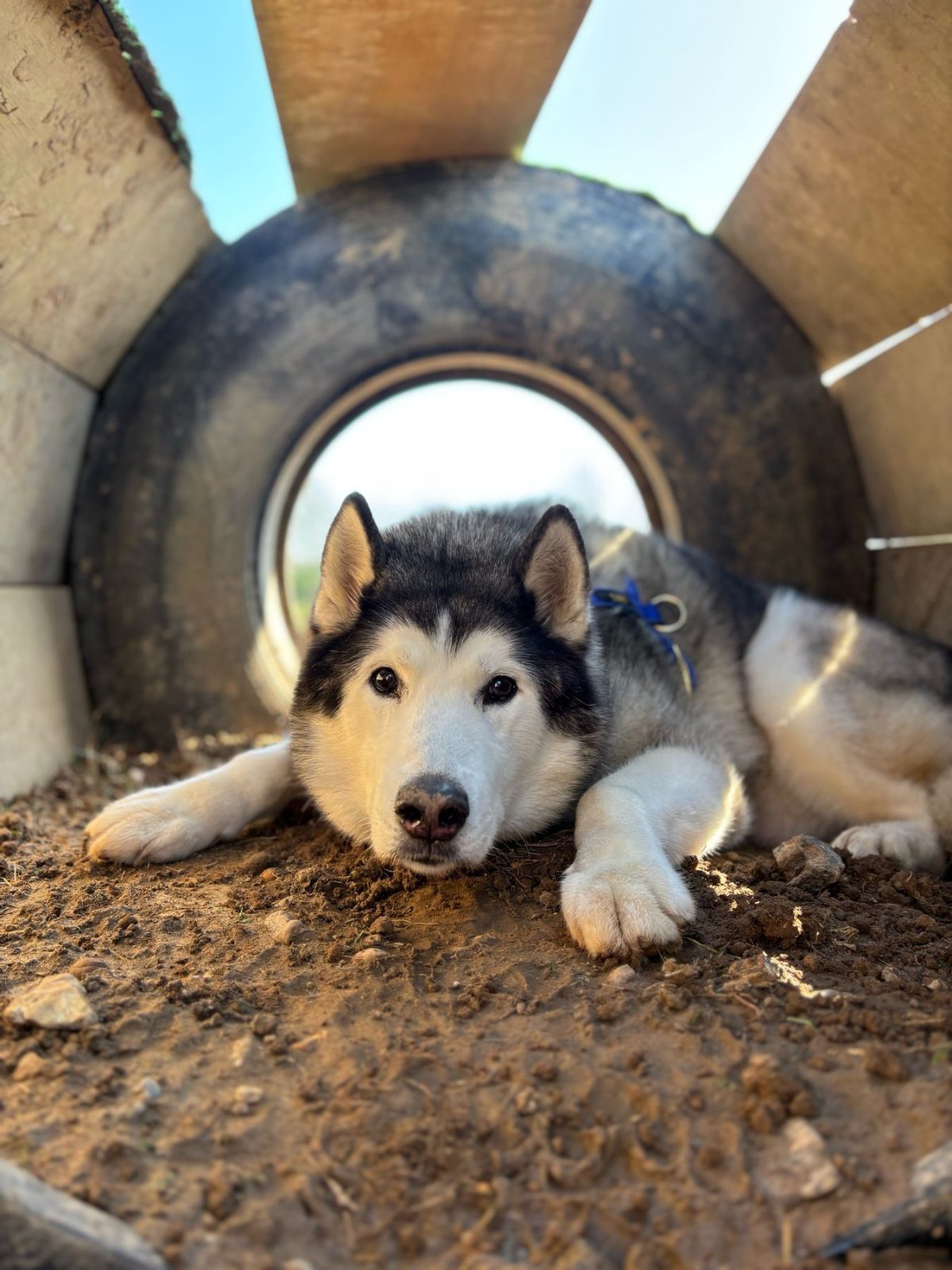
      Breeds originally bred for colder climates, such as Siberian Huskies, Alaskan Malamutes, Chow Chows, Golden Retrievers, and German Shepherds, are also prone to overheating despite their natural fur insulation.

      Although their coats do help regulate body temperature to some extent, in a UK heatwave they may still retain too much heat. To help, brush them regularly to remove excess undercoat and help improve the air flow to their skin. Also provide shaded garden areas with cooling options like damp towels or paddling pools to help them cool down.

      • Senior Dogs and Puppies

      Older dogs and very young puppies have less efficient body systems. This makes it harder for them to regulate their temperature, meaning they can become dehydrated or overheated much quicker than a healthy adult dog. Keeping them in shaded areas, with multiple water bowls, during heat peaks times is the best way to keep them safe.